
Professional Fence Staining Services
Professional fence staining protects wood from moisture and sun exposure while restoring a clean, finished appearance and extending the life of your fence.

[seopress_breadcrumbs]
Fence Staining Services
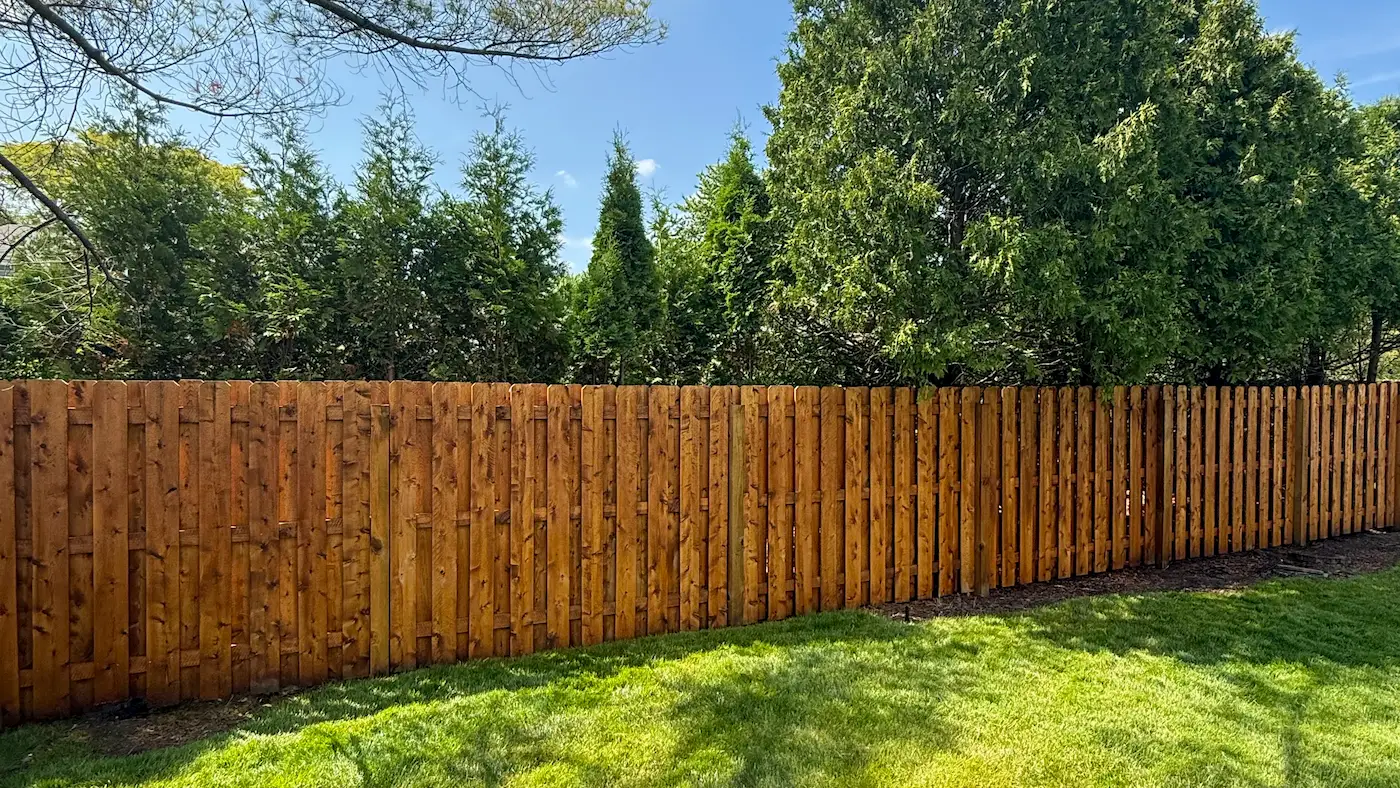
Professional fence staining protects wood fencing from moisture, sun exposure, and premature deterioration while restoring a clean, finished appearance. Without proper protection, fences fade, dry out, and become vulnerable to cracking, warping, and rot.
Fence staining is a critical part of exterior maintenance. It helps extend the life of your fence, maintain structural strength, and preserve curb appeal without the cost of replacement.
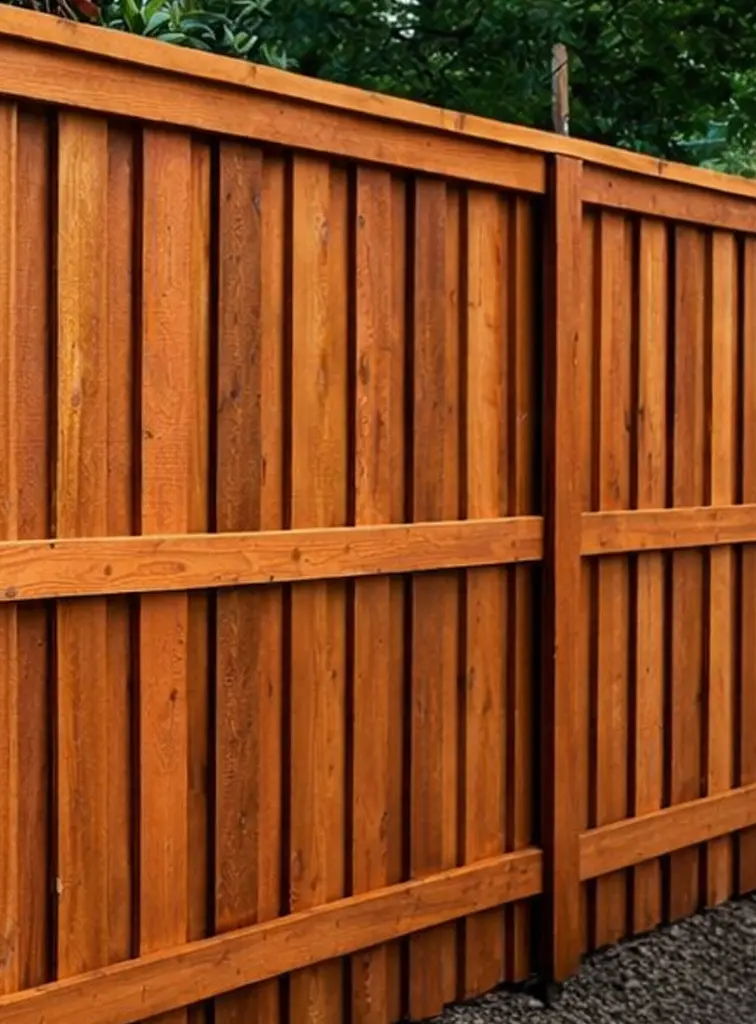
Professional Fence Staining for Long-Term Protection
Fences are constantly exposed to UV rays, rain, irrigation, and ground moisture. Over time, this exposure breaks down wood fibers and strips away natural oils that keep wood strong.
Professional fence staining penetrates the wood to create a protective barrier that repels moisture and reduces sun damage. When applied correctly, stain enhances the natural grain of the wood.

Residential Fence Staining Services
Wood fencing requires a surface-specific approach based on age, condition, and exposure. Our fence staining services are designed to protect residential fences while delivering even, consistent results.
Common fence types we stain include:
- Privacy fences
- Picket fences
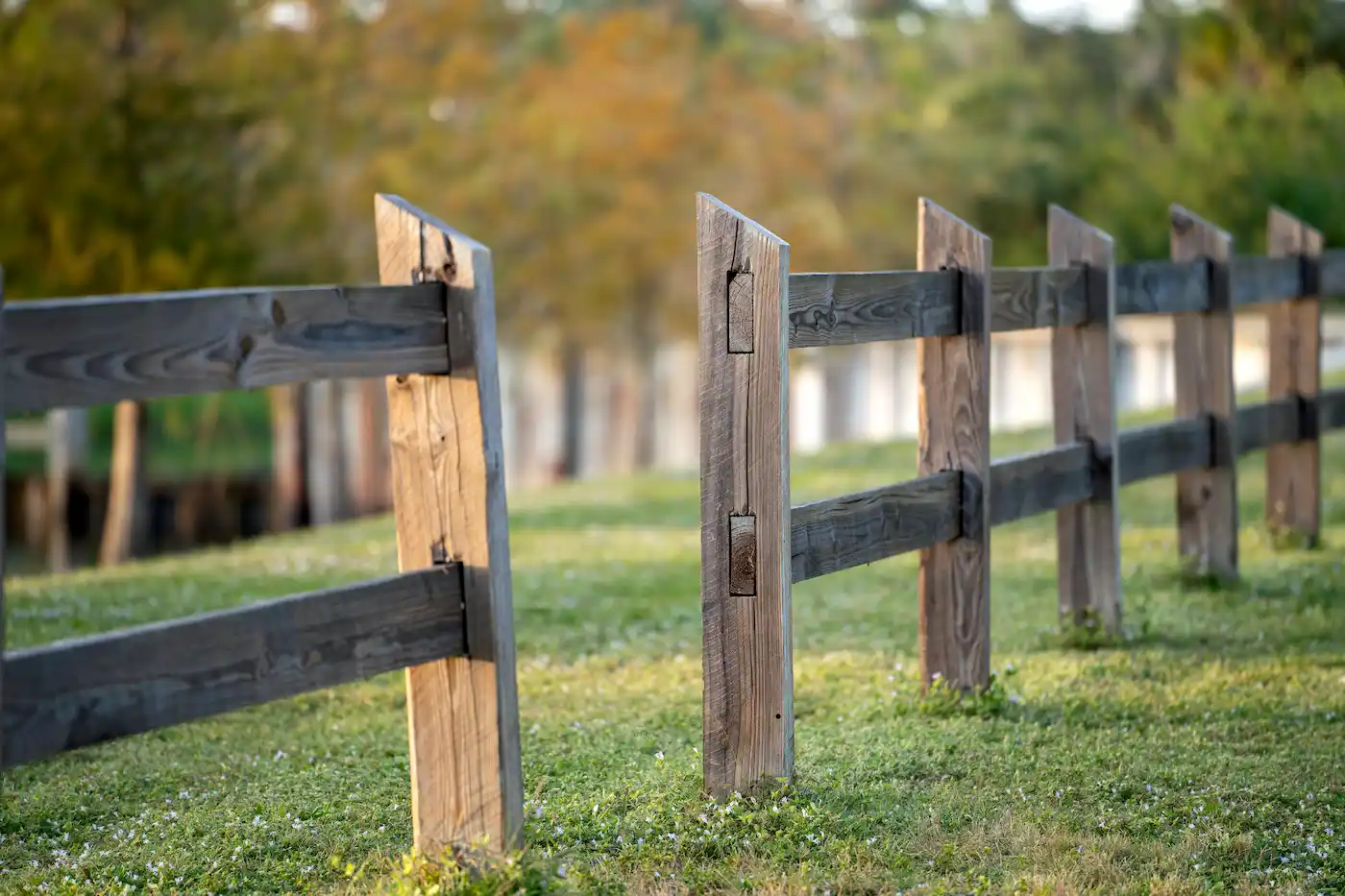
- Post-and-rail fencing
- Decorative and perimeter fencing
Each fence is evaluated before staining to determine proper preparation and product selection.

Why Professional Fence Staining Matters
Fence staining requires proper preparation, timing, and controlled application. Skipped steps or improper techniques often result in blotchy coverage, peeling, or early failure.
Professional fence staining helps to:
- Prevent moisture absorption and wood rot
- Reduce cracking, warping, and splintering
- Protect against UV fading and discoloration
- Extend the lifespan of fence boards
- Deliver uniform, long-lasting results
Experience and correct application make a measurable difference in performance and appearance.
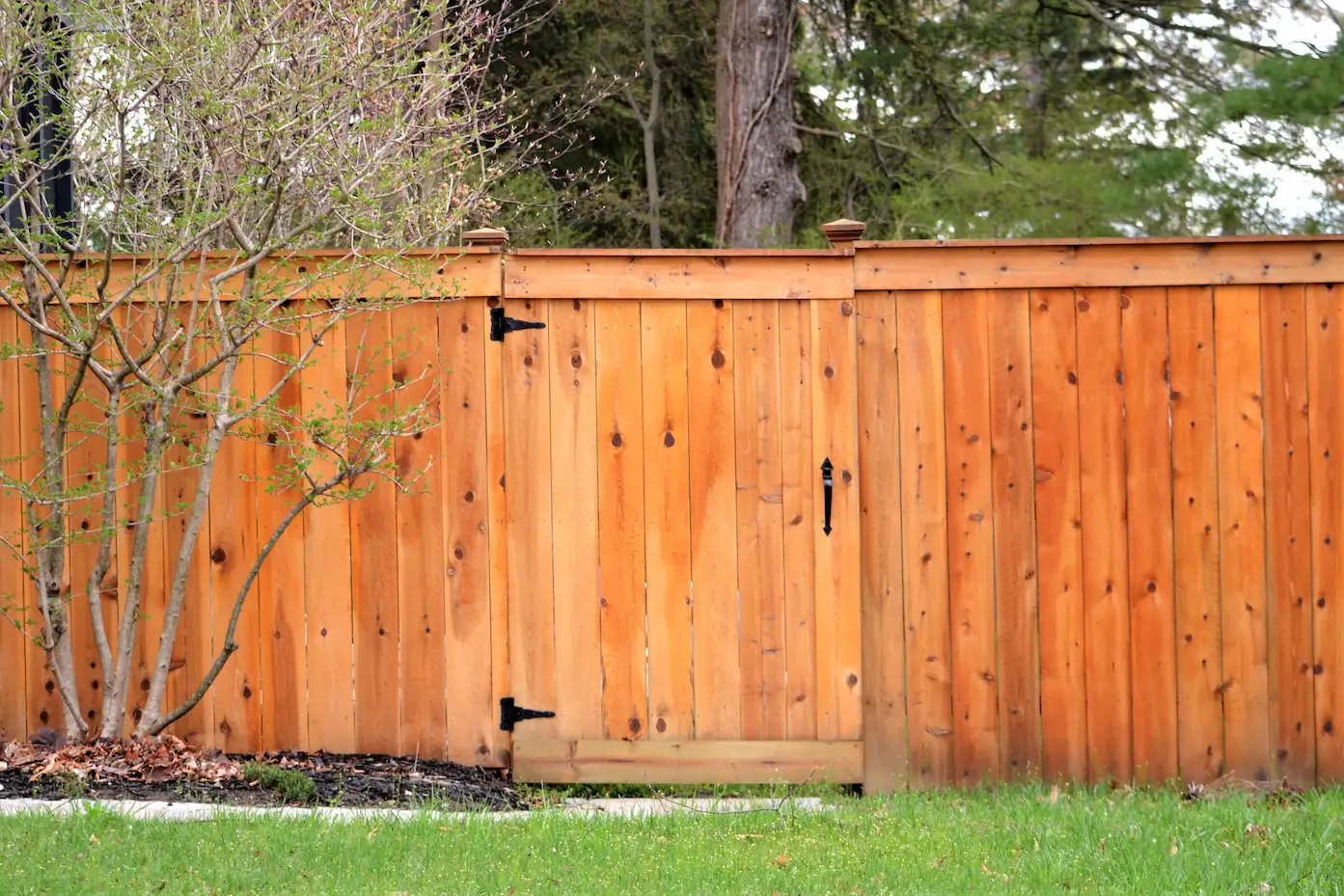
Fence Cleaning and Preparation
Stain will not bond correctly to dirty or contaminated wood. Dirt, algae, mildew, and residue block penetration and lead to uneven or short-lived results.
Professional fence staining begins with thorough preparation, which may include controlled pressure washing or soft washing depending on the condition of the wood. Proper cleaning allows stain to absorb evenly and perform as intended.

Fence Staining Process
Every fence staining project follows a proven, surface-focused process designed to protect the wood and ensure consistent, reliable performance.
Fence Evaluation
We assess the fence’s condition, wood type, age, and exposure, including whether the fence is newly installed or weathered, to determine the proper staining approach.
Preparation
Dirt, residue, and surface contaminants are removed so the wood is clean and ready for proper stain absorption and adhesion.
Drying Period
After cleaning, the fence is allowed to dry fully to ensure moisture does not interfere with stain performance or longevity.
Stain Selection
The appropriate stain and finish are selected based on the wood species, fence condition, and level of sun and moisture exposure.
Application
Stain is applied using controlled methods to achieve even coverage, proper penetration, and a clean, uniform appearance.
Final Review
Once complete, the fence is inspected to confirm consistent coverage, proper finish, and overall quality before the project is finalized.
Fence Staining and Sealing Options
Fence staining may be performed with or without sealing, depending on wood condition and exposure levels.
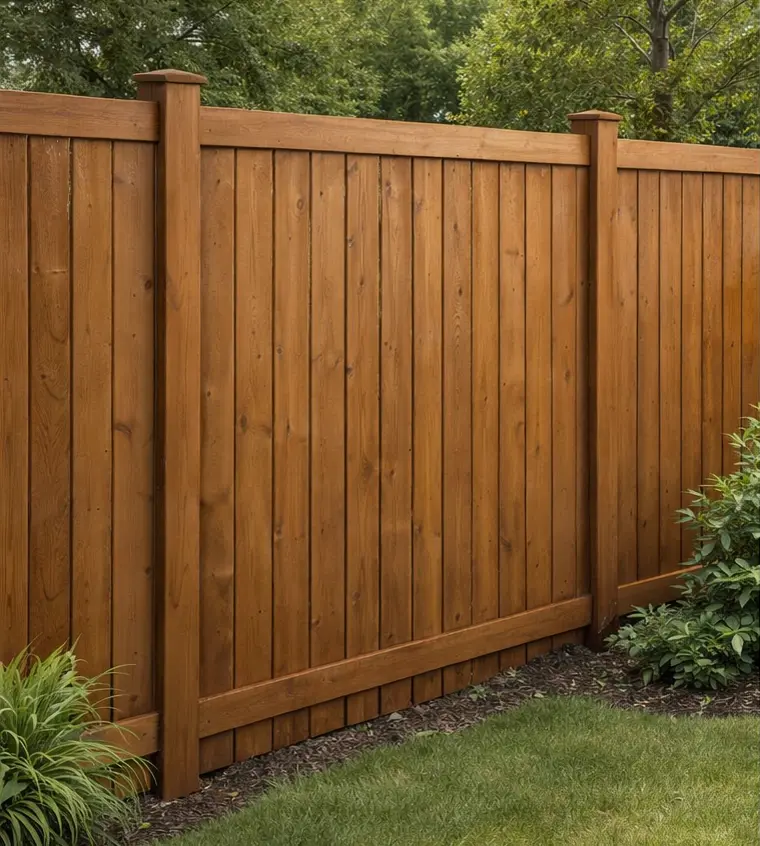
Staining
Enhances appearance while providing essential protection.

Staining and sealing
Sealing adds an additional moisture barrier when needed.
The correct approach depends on the fence’s age, condition, and exposure levels; ensuring protection without trapping moisture inside the wood.
Wood Fence Types We Commonly Stain
Different wood species absorb stain differently and require surface-appropriate methods. Common fence materials include:
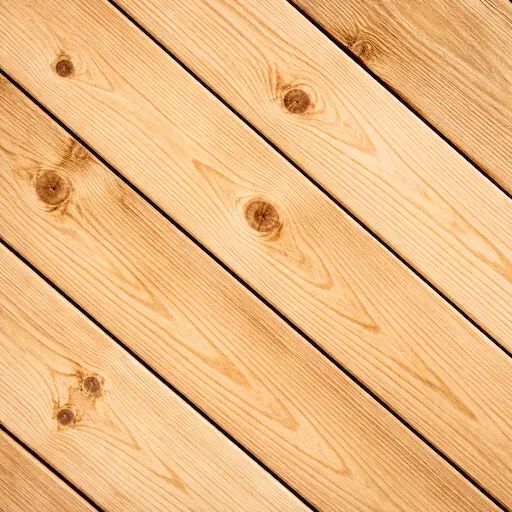
Pine
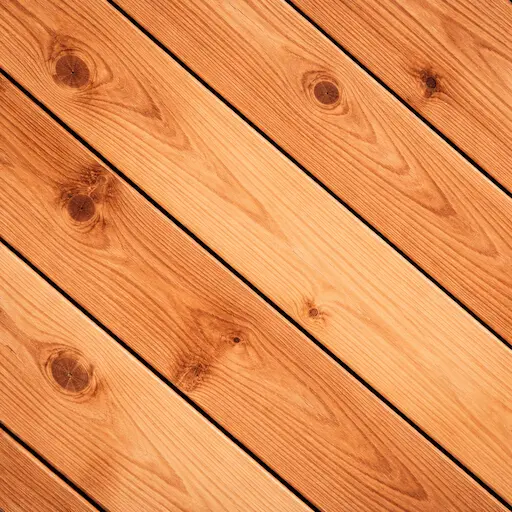
Cedar
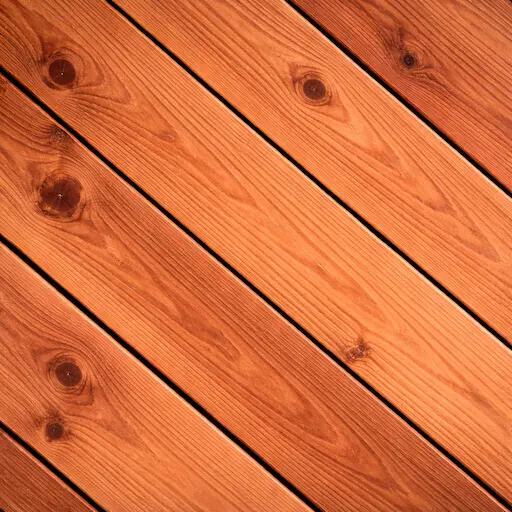
Red Wood
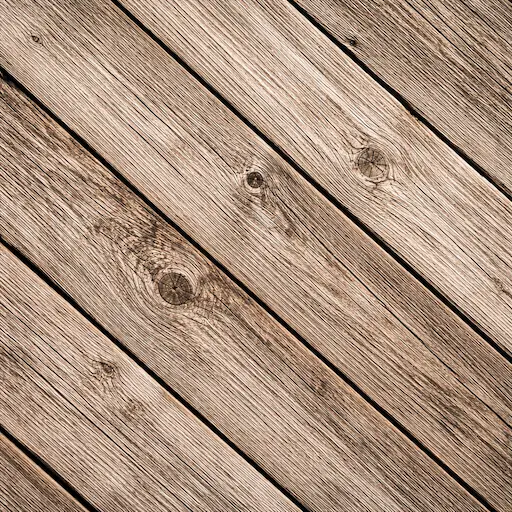
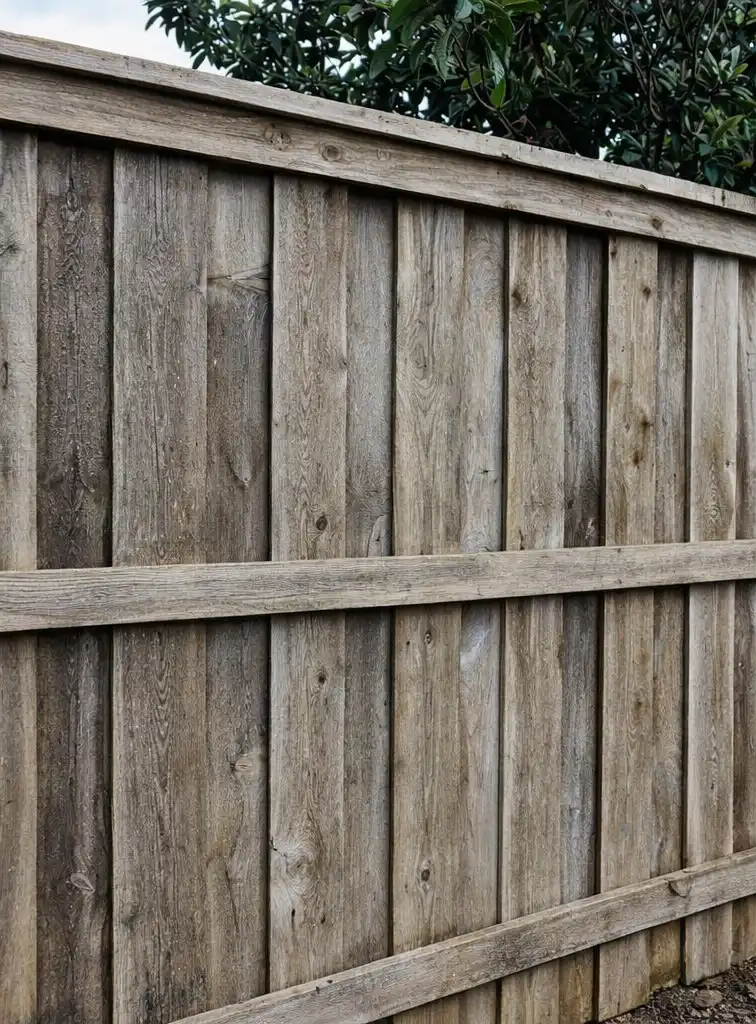
Weathered wood
Using the right process for each surface helps achieve uniform results and long-lasting protection.
When Should a Fence Be Stained?
Knowing when to stain your fence helps protect the wood before minor wear turns into costly damage. Ongoing exposure to sun, moisture, and temperature changes slowly breaks down unprotected boards, making timely staining essential.
Signs a fence may need staining include:
- Fading or uneven color
- Dry, rough, or splintering boards
- Water no longer beading on the surface
- Visible discoloration or organic growth
Routine fence staining helps maintain protection and prevent long-term damage.
Fence Staining for New Wood Fences
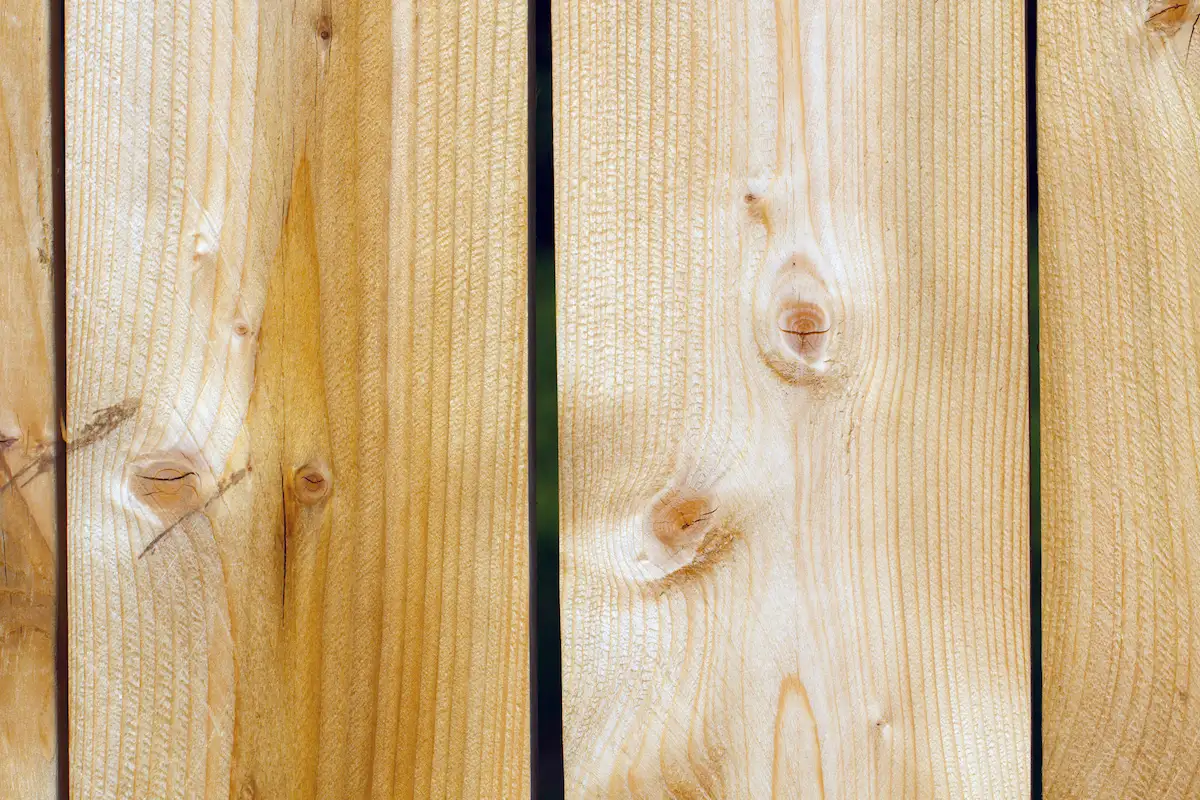
New fences also require professional staining to protect the wood and ensure long-term durability. While new lumber may appear finished, it often contains excess moisture that affects stain absorption.
Staining too soon can lead to poor penetration or premature failure. Professional fence staining focuses on proper timing and surface evaluation to protect new wood without trapping moisture.
Take the first step in transforming your home
Clear communication • Clean workspaces • Reliable results